Not currently shipping to the U.S.A. due to tariffs
Your cart is currently empty
Product image slideshow Items
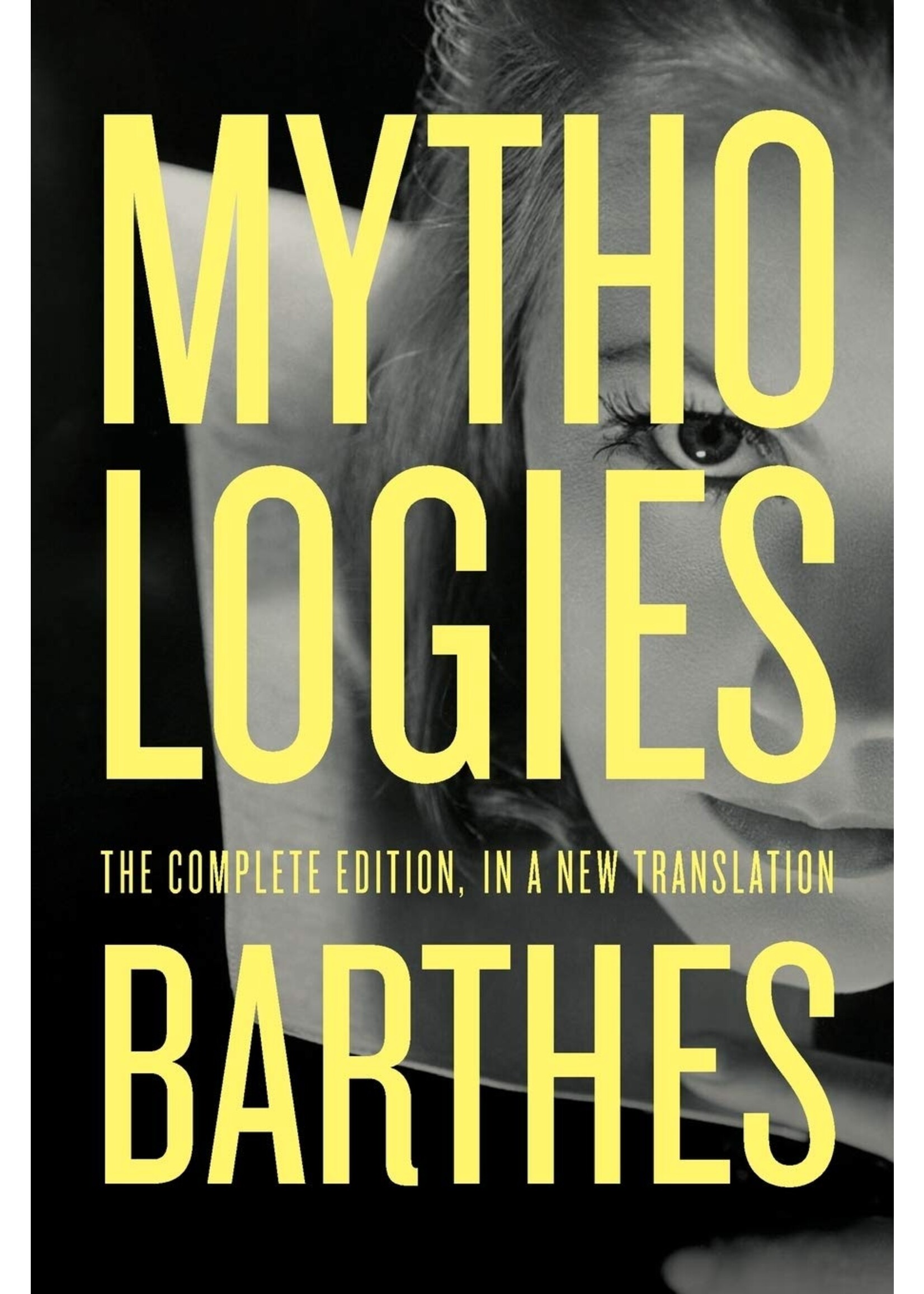
"Mythologies" is a seminal work by French theorist Roland Barthes, published in the 1950s, which delves into the interpretation of everyday cultural phenomena through the lens of semiotics.
"Mythologies" is a seminal work by French theorist Roland Barthes, published in the 1950s, which delves into the interpretation of everyday cultural phenomena through the lens of semiotics. The book is structured into two main sections: a series of essays that analyze aspects of French bourgeois life and a philosophical essay on the nature of myth itself. Barthes explores how various cultural artifacts—ranging from food and drink to professional wrestling and toys—can be seen as signs that convey deeper meanings and societal values. He argues that these signs create myths that not only reflect but also shape collective consciousness.
Barthes emphasizes the role of mass culture in perpetuating bourgeois ideologies, critiquing how certain representations naturalize social realities and obscure historical complexities. He introduces the concept of myth as a form of speech that transcends mere language, including visual and symbolic representations. By dissecting these myths, Barthes reveals how they serve to depoliticize reality, presenting a simplified version of complex social dynamics. "Mythologies" has had a profound influence on cultural criticism, encouraging subsequent thinkers to analyze various societal constructs and their implications. Through its concise and incisive essays, Barthes challenges readers to reconsider the meanings behind everyday symbols and narratives, making it a foundational text in the fields of semiotics and cultural studies.